
What is Covered Under Commercial Property Insurance? A Detailed Overview


Understanding Commercial Property Insurance
Commercial property insurance is a type of coverage that protects business properties from various risks, including damage and loss. This policy is essential for businesses of all sizes, ensuring that they can recover financially from unforeseen events. Understanding what is covered under this insurance is crucial for making informed decisions.

Physical Assets Protection
One of the primary components of commercial property insurance is the protection of physical assets. This includes buildings, equipment, furniture, and inventory. Whether the business owns or leases the space, having coverage for these items is vital to maintain operations after an incident.
Buildings and Structures
The policy typically covers the physical structure of the building owned by the business. This includes the walls, roof, floors, and foundation. If the business rents the space, the insurance may cover improvements or alterations made by the tenant.
Equipment and Machinery
Equipment and machinery used in daily operations are also covered. This includes everything from computers and office equipment to industrial machinery. Ensuring these assets are protected can prevent significant financial loss and downtime.

Coverage for Inventory
Inventory is a critical component for many businesses, particularly in retail and manufacturing. Commercial property insurance often covers the loss or damage to inventory due to risks like fire, theft, or vandalism. This ensures that businesses do not face severe financial strain from inventory losses.
Protection from Natural Disasters
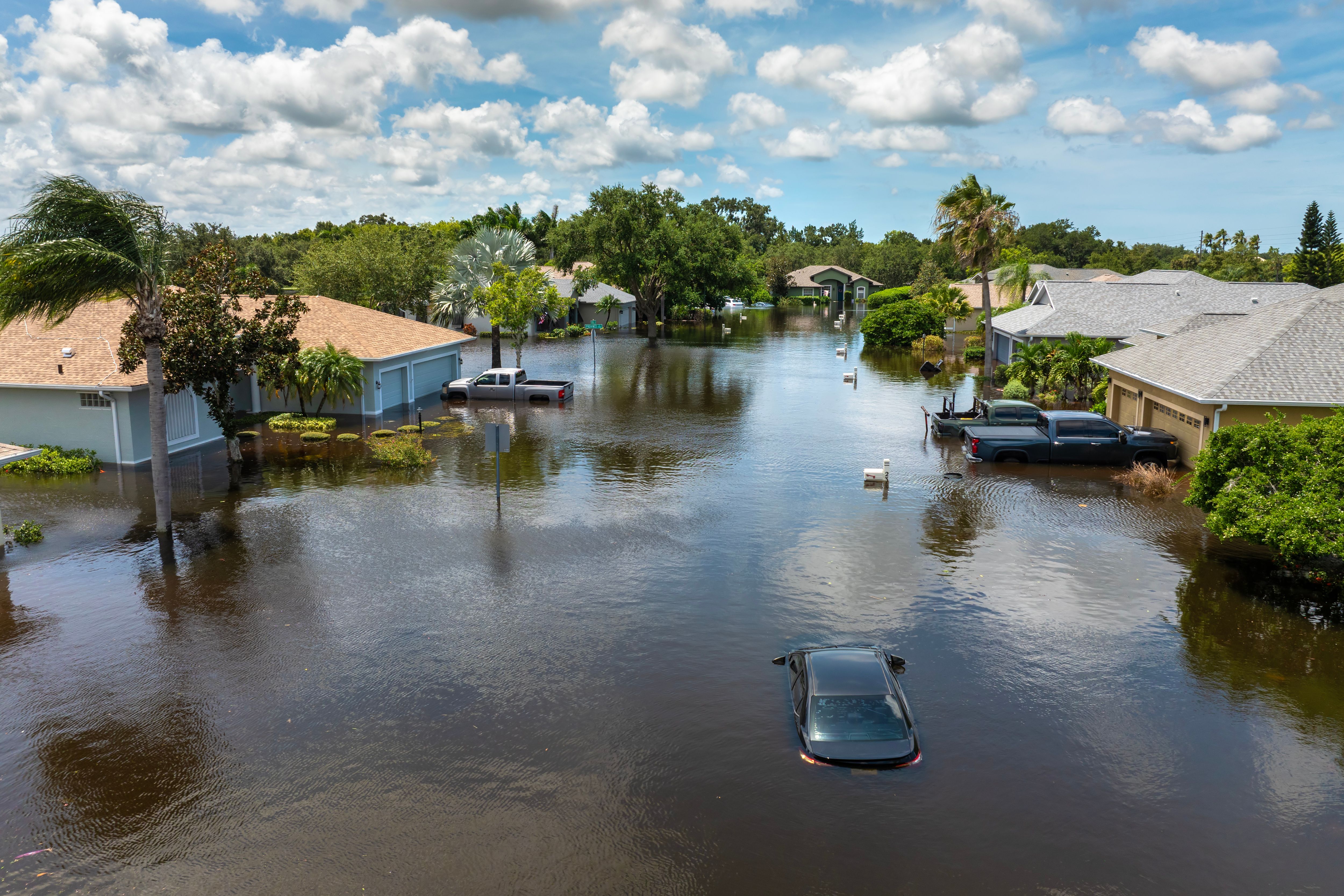
While standard policies cover risks like fire and theft, coverage for natural disasters such as floods, earthquakes, or hurricanes may require additional riders. It's essential for businesses located in areas prone to these disasters to consider these additional coverages.
Loss of Income Coverage
Some commercial property insurance policies include business interruption insurance, which covers the loss of income if a covered event forces the business to close temporarily. This can include expenses like rent, payroll, and taxes, helping the business stay afloat during recovery.
Extra Expense Coverage
In addition to lost income, some policies cover extra expenses incurred to avoid shutting down operations. This may include costs for temporary relocation or leasing equipment. Such coverage ensures that the business can continue operating with minimal disruption.
Understanding Policy Exclusions
It's important to note that not all risks are covered under standard commercial property insurance. Common exclusions include wear and tear, intentional damage, and certain natural disasters. Reviewing and understanding the exclusions in a policy can help businesses identify what additional coverage might be necessary.

Conclusion
Commercial property insurance is a vital tool for businesses to protect their physical assets and ensure financial stability in the face of unexpected events. By understanding what is covered, businesses can tailor their policies to meet their specific needs and ensure comprehensive protection.