Debunking Myths: What You Really Need to Know About Flood Insurance


Understanding Flood Insurance
Flood insurance is often misunderstood, leading many homeowners to make assumptions that could leave them vulnerable. It's crucial to separate fact from fiction to ensure you're adequately protected. In this article, we’ll debunk common myths and provide clear insights into what flood insurance truly entails.

Myth 1: Homeowners Insurance Covers Flood Damage
One of the most prevalent myths is that standard homeowners insurance covers flood damage. Unfortunately, this is not the case. While homeowners insurance may cover water damage from things like burst pipes, it typically excludes flooding caused by natural events such as heavy rain, hurricanes, or storm surges. To protect against these specific risks, a separate flood insurance policy is necessary.
Myth 2: Only Those in High-Risk Areas Need Flood Insurance
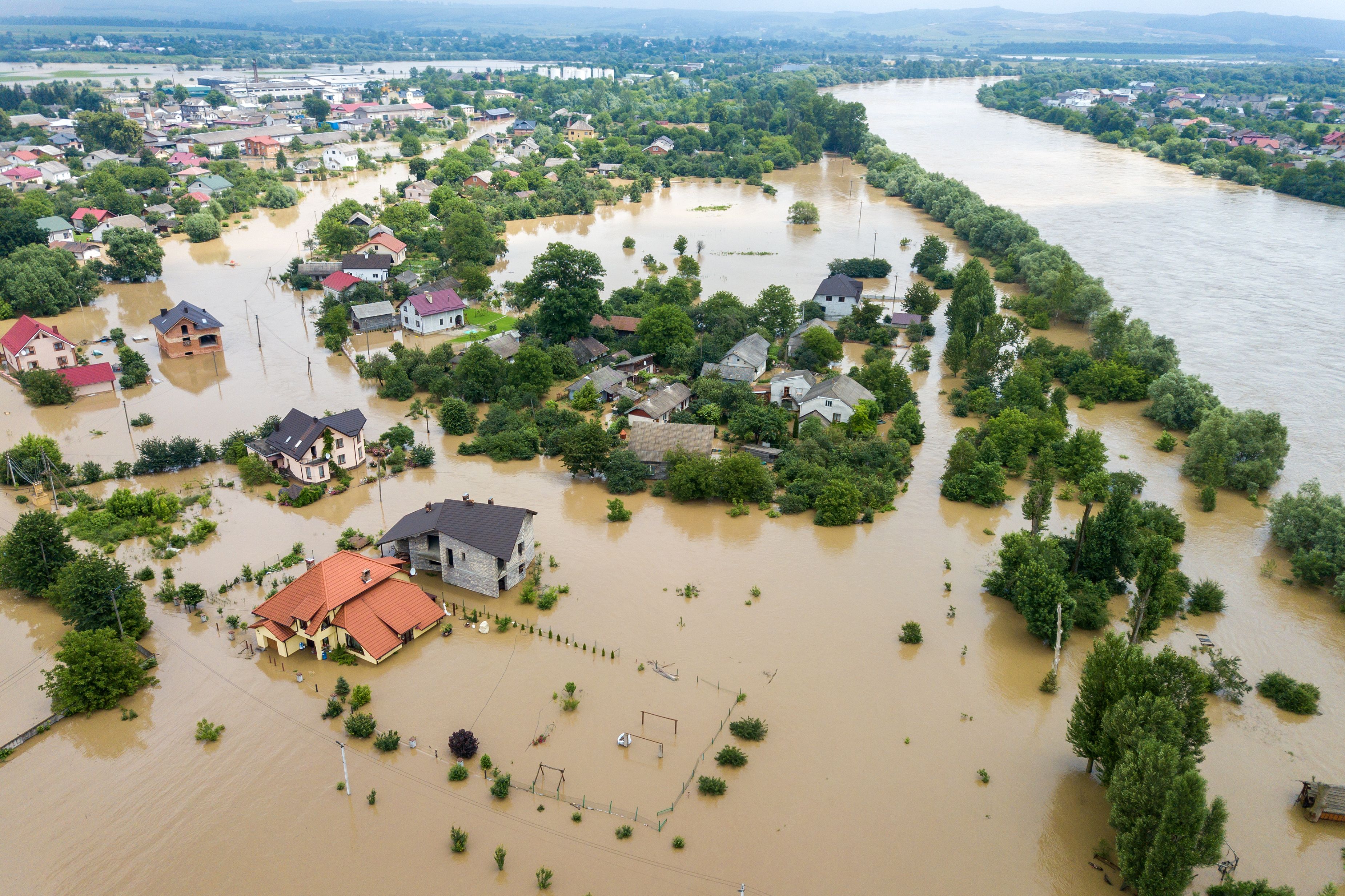
Many people believe that flood insurance is only necessary for those living in high-risk flood zones. However, floods can occur anywhere, and about 20% of flood claims come from properties outside of these designated high-risk areas. It's wise for homeowners in low-to-moderate risk areas to consider flood insurance as well.
The Realities of Flood Insurance
Understanding the realities of flood insurance can help you make informed decisions about your coverage needs. Here are some key points to consider:
- Availability: Flood insurance is available to homeowners, renters, and businesses through the National Flood Insurance Program (NFIP) and some private insurers.
- Cost: The cost of flood insurance is determined by your property's risk level, location, and other factors. It’s often more affordable than expected, especially in lower-risk areas.
Myth 3: Flood Insurance is Too Expensive
The perception that flood insurance is prohibitively expensive deters many from purchasing it. However, the cost varies based on several factors, including your location and risk level. In many cases, the peace of mind it provides outweighs the expense, especially considering the potential cost of flood damage repairs.

Myth 4: You Can’t Get Flood Insurance Immediately Before a Storm
While it’s true that there is typically a 30-day waiting period for a new flood insurance policy to take effect, there are exceptions. For example, if you purchase a policy in connection with a mortgage loan, the waiting period may not apply. It's best to plan ahead and secure your coverage well before any potential flooding threats.
Making an Informed Decision
By debunking these myths, you can make a more informed decision about flood insurance. It's essential to assess your risk, understand your policy options, and ensure you have the right coverage in place. Don't let misconceptions leave you unprotected. Consider speaking with an insurance professional to explore your options further.